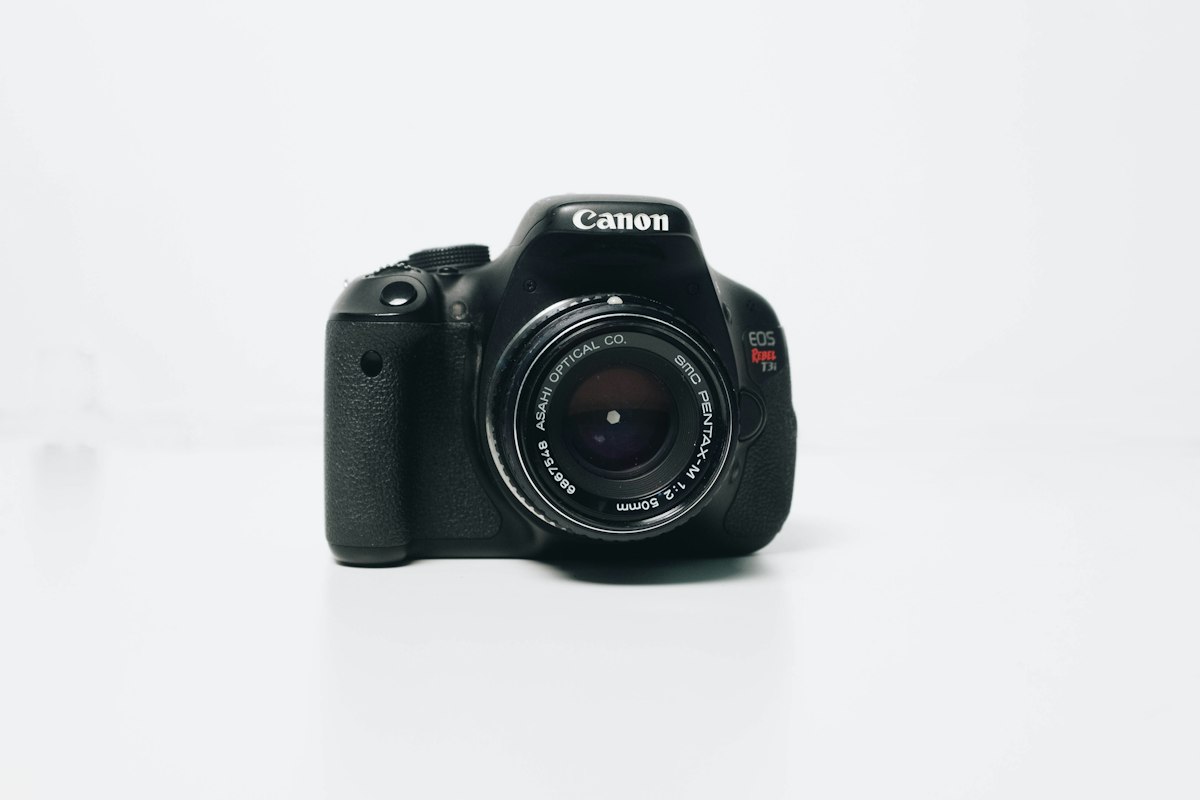


The old debate was simple: phones for convenience, cameras for quality. In 2026 that line has blurred almost beyond recognition, because the same force is now driving both sides. Artificial intelligence has moved inside the phone in your pocket and the mirrorless camera on the shelf, and it has redrawn the rules of photography in the process.
The smartphone's superpower
A phone camera cannot break the laws of physics. Its sensor and lens are tiny compared to a dedicated camera, which by rights should limit image quality. What lets phones punch far above that weight is computational photography. When you tap the shutter, the phone does not capture one frame; it captures a burst, then blends them. Software aligns the frames, pulls detail from shadows, controls highlights, reduces noise and constructs a final image that no single exposure from that small sensor could produce.
The result is a photo that looks remarkably good with zero effort. The phone has effectively traded optical hardware for processing power, and for everyday shooting that trade is wildly successful. It is the reason most people stopped carrying a separate camera at all.
The camera's answer
Faced with that convenience, dedicated cameras could not win on ease, so they leaned into what phones struggle to replicate: large sensors, interchangeable lenses, precise manual control and the depth and reliability that come with them. Crucially, they also adopted AI on their own terms.
The headline advance in modern mirrorless cameras is intelligent autofocus. AI-driven systems now recognise and track subjects, eyes, animals and vehicles among them, with a tenacity that older cameras could not match, holding focus on a bird in flight or an athlete mid-sprint. Beyond focus, cameras have absorbed computational tricks of their own, from in-camera focus stacking and multi-frame blending to AI-assisted dynamic range. The distinction is that they apply this intelligence on top of genuinely capable optics rather than as a substitute for them.
Where AI now lives in both
The striking thing about 2026 is how thoroughly AI has spread across the entire pipeline on both sides. It is no longer just cleaning up an image after capture. It influences exposure decisions, prioritises focus, tracks subjects and even shapes video workflows before the shutter ever fires. Features that felt experimental a few years ago, subject recognition, AI-enhanced range, automated cleanup, have become standard across mid-range and high-end bodies alike. In that sense, phones and cameras have converged on the same idea: let intelligent software make more decisions, faster than a human could.
So which should you use?
The convergence does not make the choice meaningless; it sharpens it. A few honest guidelines:
- For everyday life, the phone wins. It is always with you, the results are excellent, and the friction is near zero. For social posts, travel snaps and family moments, a dedicated camera is overkill for most people.
- For control and reach, the camera wins. Low light, fast action, shallow depth of field, long telephoto reach and large prints still favour a big sensor and the right lens. The intelligent autofocus makes capturing difficult moments far easier than before.
- For serious work, it is not either-or. Many photographers carry both, using the phone for speed and the camera when the shot demands it.
What the convergence really means
There is a subtle shift worth naming. As both devices lean harder on computation, the photograph becomes less a direct record of light and more an interpretation shaped by software. A phone aggressively processes for a pleasing look; a camera offers more restraint and control but is increasingly making intelligent choices too. Understanding that your images are partly authored by algorithms is part of being a thoughtful photographer in 2026, whichever tool you hold.
A note on video and sharing
Stills get most of the attention, but video has quietly become a deciding factor. Phones make capturing, editing and sharing a clip almost frictionless, with strong stabilisation and instant upload to wherever your audience lives. Dedicated cameras counter with higher-quality footage, better control over depth and motion, and the kind of detail that holds up on a large screen, increasingly aided by AI tools that smooth out the workflow. For a quick clip to send to friends, the phone is unbeatable. For a project where the footage is the product, the camera still earns its place. The same logic that governs the stills debate applies to moving images, and it points to the same conclusion: the best tool is the one that matches the stakes of the moment.
The bottom line
AI did not settle the cameras-versus-smartphones argument; it transformed it. Phones use computational photography to extract astonishing results from tiny hardware, while cameras pair large sensors and lenses with intelligent autofocus and processing of their own. The right choice in 2026 is less about which is better and more about which intelligence-amplified tool fits the moment in front of you.