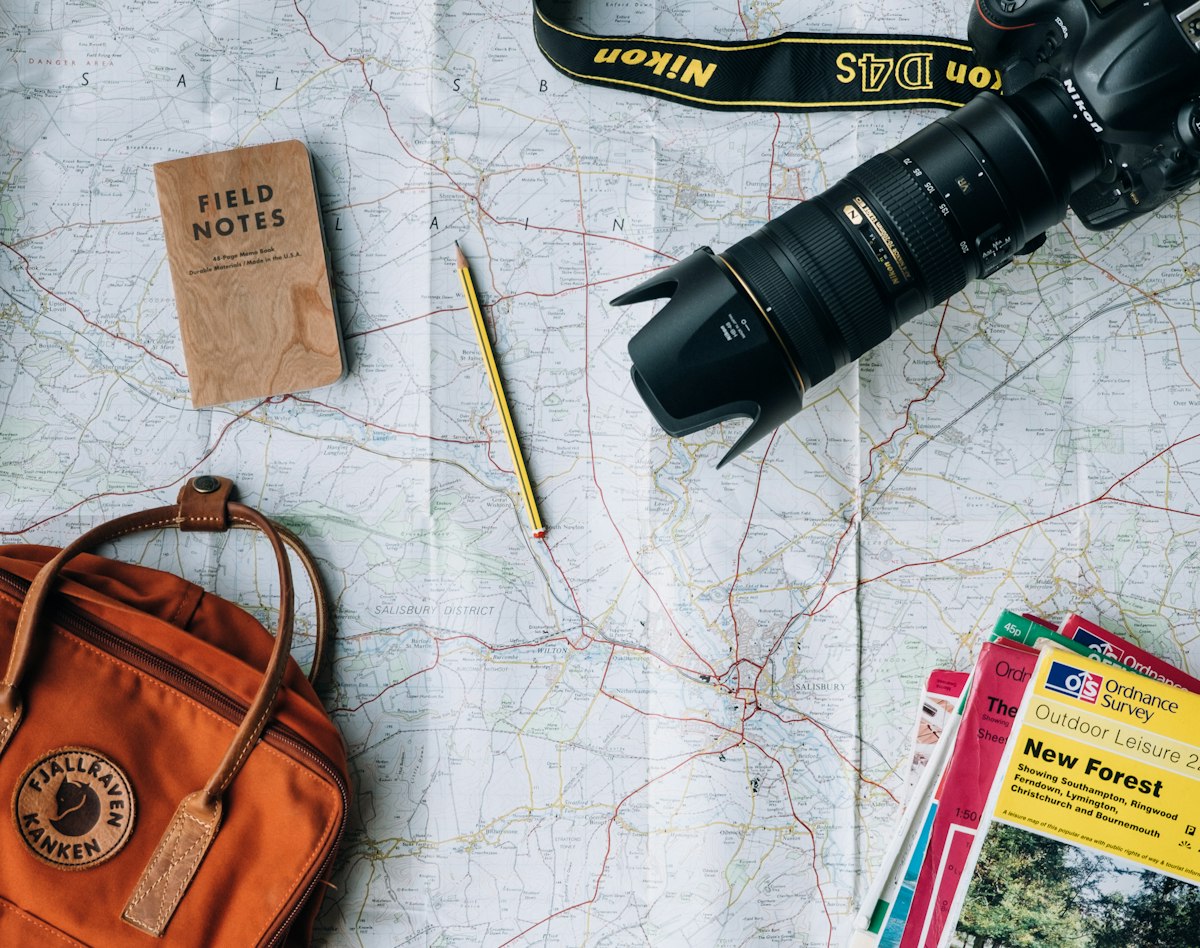


There is a particular kind of freedom in a road trip - no boarding gates, no baggage limits, just the open road and the ability to stop wherever curiosity takes you. But the best road trips are rarely accidental. A little planning turns a stressful slog into the kind of journey you talk about for years. Here is how to build the perfect one in 2026.
Step 1: Choose Your Route and Pace
Start with the big decision: where to and how far. The most common road-trip mistake is overpacking the itinerary, trying to cram too many miles into too few days. Map your route first, then be honest about how many hours behind the wheel you actually enjoy each day. A good rule of thumb is to leave one unscheduled stop for every two planned ones - the detours are often the best part.
Step 2: Build a Realistic Budget
Road trips feel cheap, but costs add up. Budget for fuel based on your route's total distance and your vehicle's efficiency, then layer in accommodation, food, attractions, tolls, and a buffer for the unexpected. If you are driving an electric vehicle, map charging stops in advance, since charging times reshape your daily schedule. Setting a daily spending target keeps the trip from quietly ballooning.
Step 3: Prep Your Vehicle
Nothing derails a road trip faster than a breakdown. Before you leave, check tire pressure and tread, top up fluids, test your brakes and lights, and make sure your spare tire and jack are in good shape. If you are renting, inspect the car carefully and photograph any existing damage. A quick service appointment before a long drive is cheap insurance against an expensive roadside emergency.
Step 4: Load the Right Apps
Technology has transformed road-tripping. A visual planner like Wanderlog is purpose-built for multi-stop routes, letting you map each day, reorder stops, and track your budget in one place. Pair it with an offline maps app so you can navigate through dead zones, and a fuel- or charging-station finder to avoid running low in the middle of nowhere. Download maps and playlists before you leave so connectivity gaps never strand you.
Step 5: Pack Smart, Not Heavy
The beauty of driving is that you are not weighed down by baggage limits, but resist the urge to bring everything. Prioritize the essentials: a first-aid kit, phone chargers and a car adapter, reusable water bottles, snacks, a paper map as backup, and layers for changing weather. Keep frequently used items within reach rather than buried in the trunk, and store a small emergency kit - jumper cables, a flashlight, and basic tools - just in case.
Step 6: Plan Where You'll Sleep
Decide how spontaneous you want to be. Booking accommodation in advance guarantees a bed and often a better price, especially in popular areas during peak season. If you prefer flexibility, book just the first night or two, then use a last-minute hotel app to find rooms as you go. For the truly adventurous, camping or van-based travel turns the journey itself into the destination.
Step 7: Keep the Drive Enjoyable
Long stretches behind the wheel can wear anyone down. Take regular breaks - stopping every couple of hours keeps you alert and gives everyone a chance to stretch. Rotate drivers if you can, queue up podcasts and playlists in advance, and build in proper meal stops rather than living on gas-station snacks. The goal is to make the driving part of the fun, not just the price of admission.
The Bottom Line
A great road trip balances structure and spontaneity: enough planning to avoid the headaches, enough flexibility to chase the unexpected. Sort the route, budget, vehicle, apps, and packing before you go, and you free yourself to do the only thing that really matters once the wheels are turning - enjoy the ride.