

For most of the last decade, the plant-based aisle waged a single battle: convince meat eaters that a burger made of peas could bleed, sizzle and satisfy just like the real thing. The mission was imitation, and the measure of success was how close a substitute came to its animal original. In 2026, that framing is collapsing, and something more interesting is taking its place.
The Mood Has Shifted
Nearly two-thirds of consumers surveyed globally now say plant-based products should be able to stand on their own rather than substitute for something else. That is a quietly radical statement. It means shoppers are no longer grading a chickpea pasta or a lentil bowl on how convincingly it mimics meat; they are asking what it offers in its own right. The bar has moved from impersonation to genuine value.
Nutrition Over Mimicry
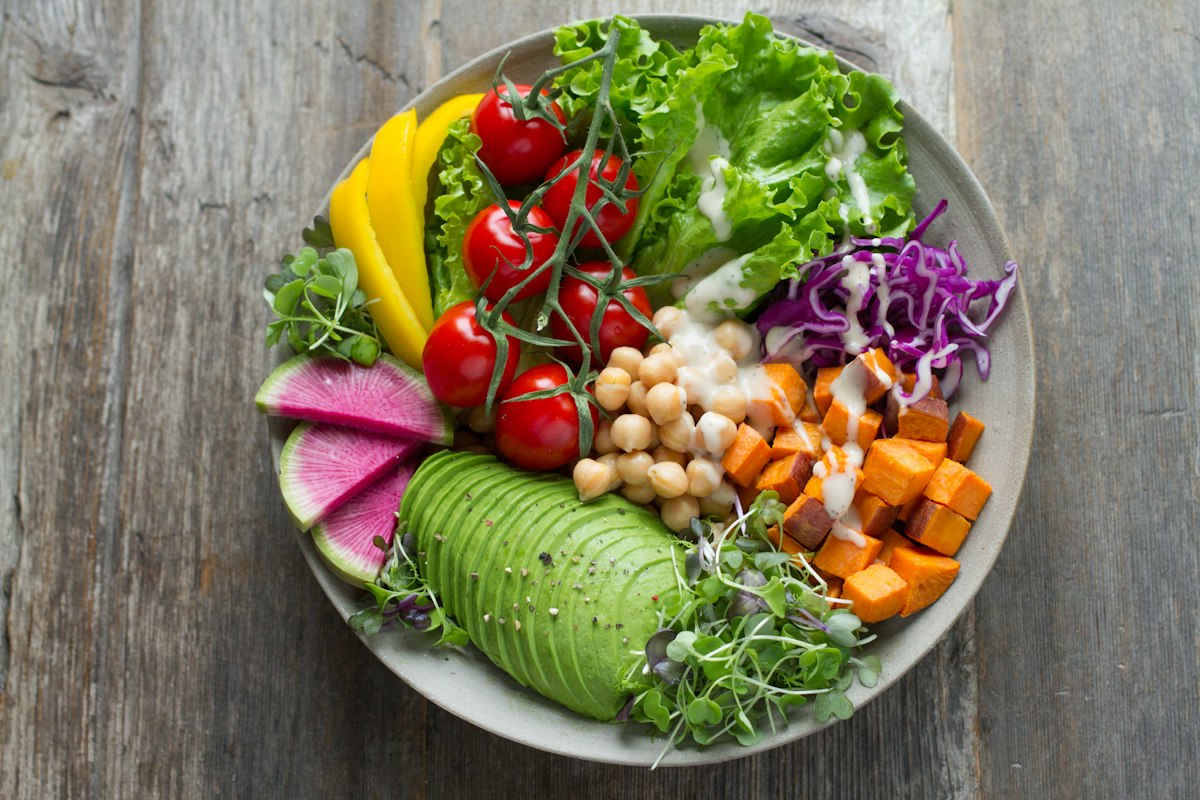
This is reshaping product development. The newest launches lean into what plants do naturally: deliver fiber, micronutrients and protein without the baggage of pretending to be something they are not. A quick-to-prepare protein bowl built from whole plant ingredients, or a pasta made from peas, lentils and cauliflower, sells itself on what it is rather than what it replaces. The conversation has moved from this tastes like beef to this is good for you and tastes like itself.
The Protein Powering It
Pea protein remains the workhorse of the category, the leading source in new launches thanks to its neutral flavor and versatility. But the supporting cast is expanding fast. Fava beans are surging as a protein source, prized for sustainability and clean taste. Textured pea protein is giving products satisfying bite without relying on heavy processing. Chickpeas, already beloved in their whole form, are increasingly milled and engineered into protein-rich bases. The result is a more diverse, more interesting plant-protein toolkit than the soy-and-wheat duopoly of years past.
Convenience Closes the Deal
Standing alone nutritionally is not enough on its own; the products also have to fit modern life. That is why so much 2026 innovation lives at the intersection of nutrition and convenience. Grab-and-go protein bowls, microwaveable pouches and ready-to-heat meals built on plants meet shoppers where they are: time-pressed and unwilling to trade health for ease. Premium nutrition paired with effortless preparation is the formula attracting growth.
Less Processing, More Trust
There is a counter-current worth noting. As scrutiny of ultra-processed foods intensifies, the plant-based category is under pressure to simplify. Long ingredient lists engineered purely to mimic meat are falling out of favor. Products that foreground whole, recognizable plant ingredients carry a credibility that lab-built analogues increasingly struggle to claim. Standing alone, it turns out, also means looking honest on the label.
The Sustainability Subtext
Underneath the nutrition and convenience narratives runs a quieter but persistent driver: environmental impact. Plant proteins generally demand less land, water and energy than their animal equivalents, and a meaningful slice of shoppers keep that math in mind. What has changed in 2026 is how this argument is framed. Rather than leading with guilt or sacrifice, the category increasingly presents sustainability as a bonus that comes packaged with food that genuinely tastes good and does good for the body. The planet-friendly angle has become a reason to feel good about a choice already being made for other reasons, not a burden to shoulder.
That reframing is strategic. Years of messaging built on what consumers should give up produced fatigue and resistance. The new approach builds on what they gain: protein, fiber, ease, flavor and, almost incidentally, a lighter footprint. By making the responsible option also the appealing option, the industry sidesteps the moralizing that once limited its reach and broadens its appeal well beyond committed vegetarians.
A More Confident Category
The plant-based reinvention of 2026 is, at its core, a story about confidence. For years the category defined itself in relation to meat, forever the understudy. Now it is writing its own part. By leaning into real nutrition, diverse proteins, convenience and clean labels, plant-based foods are finally asking to be judged on their own terms. The early returns suggest a lot of shoppers are happy to oblige, and the brands embracing this independence are the ones likely to define the category for years to come. The understudy, it seems, is ready for the lead.