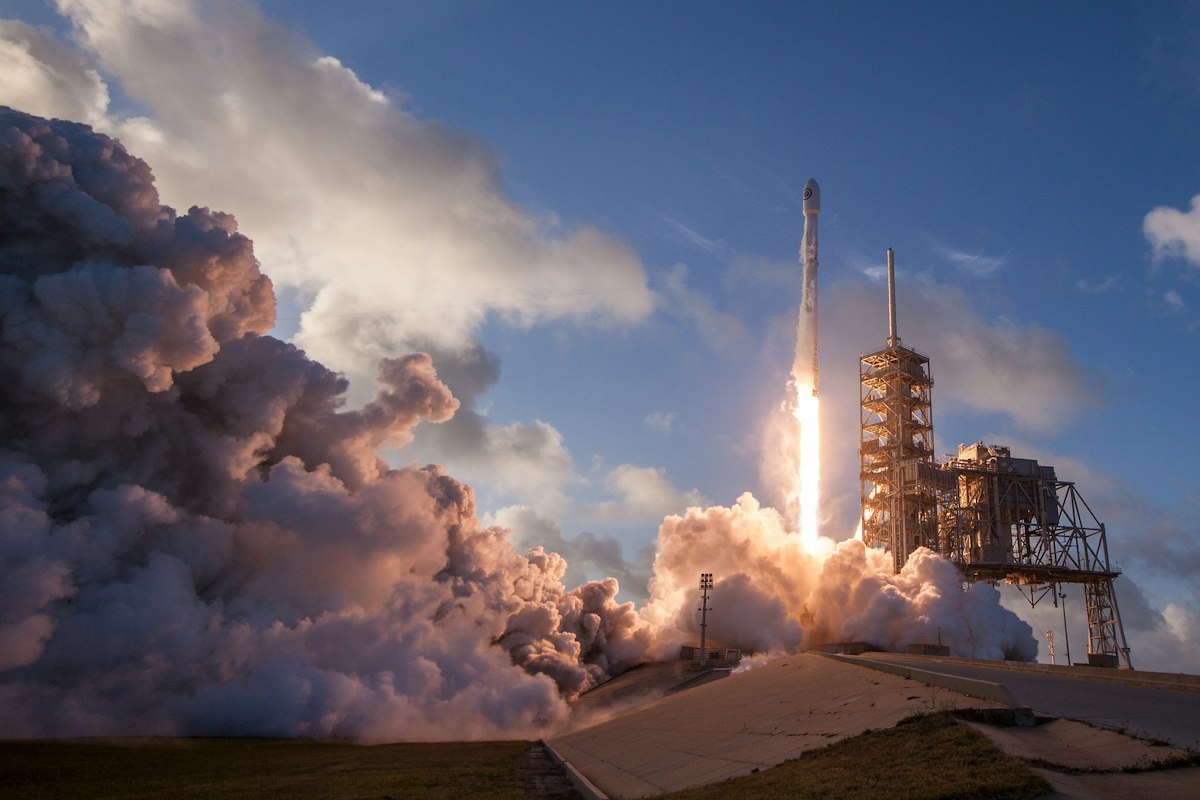


New Era of Space Tourism Begins
History was made today as the first commercial flight to the Moon successfully launched with 12 civilian passengers, marking a turning point in human space exploration and the beginning of accessible space tourism.
The Journey
The spacecraft, developed by leading aerospace companies, will complete a 6-day round trip mission, including a close lunar flyby and views of Earth from 240,000 miles away. Passengers paid approximately $500,000 each for this once-in-a-lifetime experience.
Who's on Board
The diverse crew includes entrepreneurs, scientists, artists, and a retired teacher who won a global lottery. Their mission is not just tourism—they'll conduct several scientific experiments and document their journey for educational purposes.
Safety and Technology
After years of rigorous testing and multiple successful unmanned missions, safety protocols are robust:
- Advanced life support systems with triple redundancy
- Real-time health monitoring for all passengers
- Emergency return capabilities at any mission phase
- Experienced astronaut crew leading the mission
"This is the culmination of decades of innovation and dreams. We're not just taking people to space—we're opening the cosmos to humanity. This is just the beginning." - Mission Commander
Economic Impact
The space tourism industry is projected to generate $3 billion annually by 2030, creating thousands of jobs and driving technological innovation across multiple sectors.
Future of Space Travel
With this successful launch, several companies have announced plans for orbital hotels, lunar bases, and even Mars tourism missions within the next decade. The final frontier is becoming increasingly accessible.