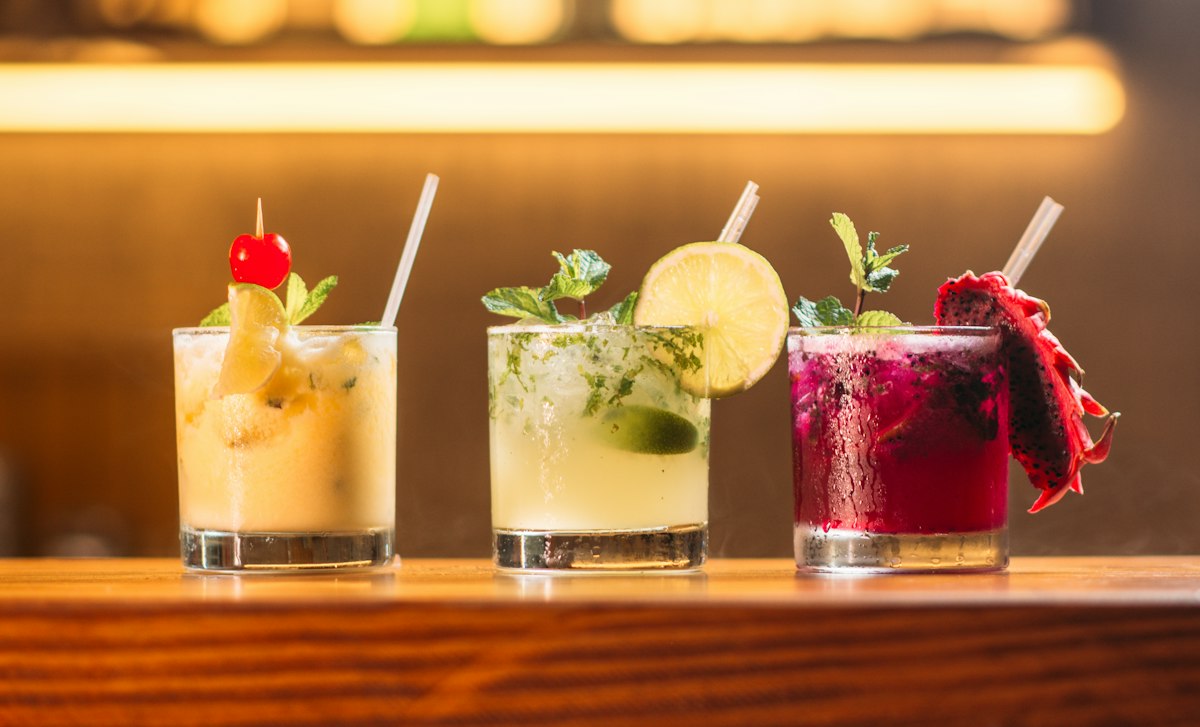


Order a drink without alcohol a decade ago and you were likely handed a sad glass of soda with a wedge of lime, an afterthought priced like a courtesy. In 2026, that scene has been thoroughly rewritten. The zero-proof category has matured into one of the most dynamic corners of the beverage world, and it is commanding both menu space and real money.
The Ranking That Says It All
Consider a single, telling data point: non-alcoholic spirits and wine have climbed to become the seventh most-used ingredient type across menus, ahead of both tequila and Cognac. These are not garnishes or filler. They are deliberate, crafted offerings, frequently priced just below their alcoholic counterparts rather than given away. The economics alone signal how seriously the industry now takes drinking less.
A Category in Real Growth
The momentum is structural, not faddish. The no-and-low-alcohol space is projected to grow at roughly 4 percent by volume annually through the end of the decade, with the strictly no-alcohol subcategory accelerating closer to 7 percent. Fine dining is leaning in hard: prestigious guides now flag non-alcoholic beverage pairings as part of the next wave of high-end experiences, putting zero-proof flights alongside traditional wine pairings on tasting menus.
Who Is Driving It
Demographics tell much of the story. Gen Z sits at the forefront, with nearly half planning to cut their alcohol consumption and showing the highest engagement with options like tea during social occasions. This is not a temperance movement so much as a recalibration: drinkers want to stay social, present and clear-headed without surrendering the ritual and pleasure of a well-made glass. Higher-income consumers, meanwhile, are willing to pay premium prices for sophisticated alternatives, underwriting the rise of craft mocktails and serious alcohol-free spirits.
Wine Joins the Movement
The wine world is adapting in parallel. Bars and bistros report growing demand for low-alcohol and non-alcoholic wines from guests who want to participate in the social ritual while moderating intake. More intriguingly, wine cocktails are tipped to catch fire, drinks built on a wine base that look and behave like liquor-forward cocktails. They offer a bridge for people who might never reach for a glass of straight wine but are drawn to something crafted and lower in alcohol.
The Craft Behind the Glass
What separates 2026's zero-proof drinks from yesterday's sad mocktail is technique. Bartenders are deploying culinary methods once reserved for serious cocktails: rotary evaporation to capture delicate essences, infusions of tea, cardamom, tonka bean and other aromatics, and complex builds that layer bitterness, acidity and length. The goal is not to fake alcohol but to deliver an experience interesting enough that nobody misses it. A great non-alcoholic drink in 2026 has structure, balance and a point of view.
What It Means for Operators
For restaurants and bars, the zero-proof boom is as much an opportunity as an adjustment. Crafted non-alcoholic drinks carry healthy margins, often rivaling cocktails once the cost of premium spirits is removed from the equation, while expanding the guest base to include designated drivers, pregnant patrons, the sober-curious and anyone simply pacing themselves. A thoughtful zero-proof program signals hospitality: it tells every guest, regardless of whether they drink, that their experience was designed with care rather than improvised at the moment of ordering.
The smartest operators are treating non-alcoholic options with the same rigor they bring to their wine list, building dedicated menus, training staff to describe them with genuine enthusiasm and pairing them deliberately with food. That seriousness is exactly what allows the premium pricing to feel earned rather than opportunistic. A guest will happily pay close to cocktail prices for a drink that clearly took skill and intention, and will resent paying anything for a glass of soda dressed up with a garnish.
Beyond the Trend Label
It is tempting to file zero-proof under passing fashion, but the signals point elsewhere. Sustained growth projections, fine-dining endorsement, a generational shift in attitudes toward alcohol and genuine craft investment all suggest a permanent expansion of what a beverage menu can be. The drink without alcohol is no longer a compromise. In 2026, it is often the most creative thing in the glass, a space where bartenders are free to experiment without the gravitational pull of alcohol dictating the build. As more drinkers moderate without apology, the zero-proof menu is poised to become a permanent fixture rather than a seasonal novelty.